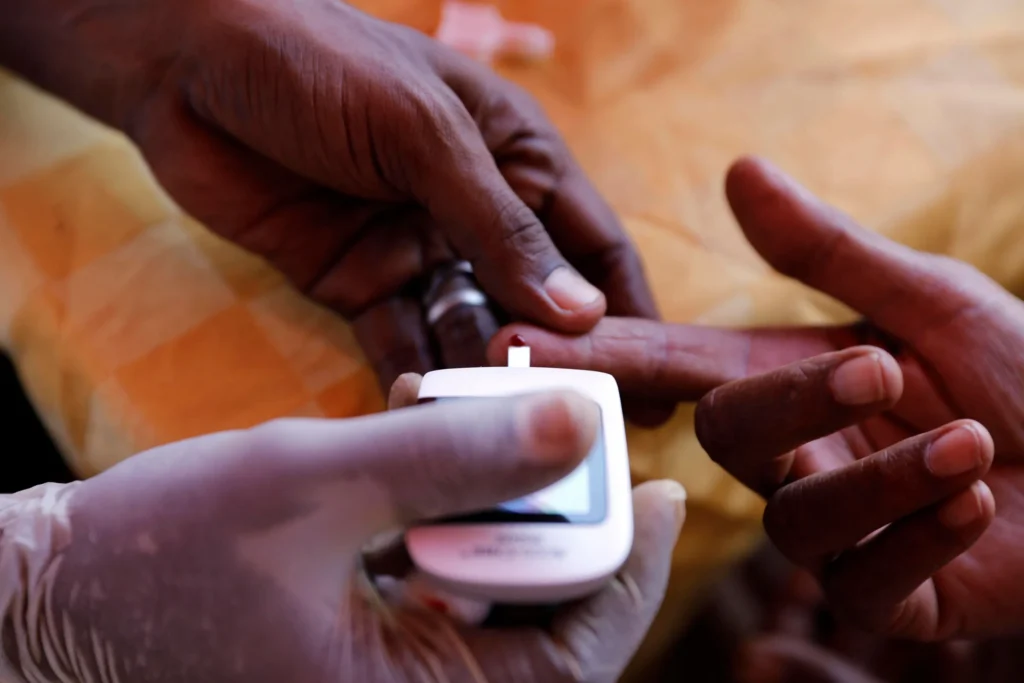
For much of history, healthcare has been defined by response—treating disease once symptoms appear. Today, that model is no longer sufficient. Rising chronic illnesses, escalating healthcare costs, and lifestyle-related conditions have made it clear that the future of health lies not in reaction, but in prevention. Preventive healthcare is rapidly emerging as the most effective strategy for building resilient individuals, communities, and healthcare systems.
What Preventive Healthcare Truly Means
Preventive healthcare goes beyond occasional doctor visits. It is a comprehensive approach that combines early screening, risk assessment, healthy lifestyle practices, and continuous health monitoring to stop illness before it takes hold. Rather than waiting for disease to disrupt life, prevention works quietly in the background—protecting health, extending vitality, and improving quality of life.
This approach recognizes that health is dynamic and influenced by daily choices, environmental factors, and emotional wellbeing.
Shifting from Crisis Care to Continuous Care
One of the greatest weaknesses of traditional healthcare systems is their focus on crisis intervention. By the time many conditions are diagnosed, they are already advanced. Preventive healthcare replaces crisis care with continuous care, allowing early warning signs to be identified and addressed in time.
Routine screenings, health assessments, and data-driven monitoring help detect imbalances long before they become serious conditions. This proactive model leads to better outcomes, less invasive treatments, and lower long-term costs.
Lifestyle Medicine as Preventive Power
Lifestyle-related diseases now account for a significant percentage of global mortality. Conditions such as heart disease, diabetes, obesity, and hypertension are strongly linked to nutrition, physical inactivity, stress, and sleep patterns.
Preventive healthcare places lifestyle medicine at the center—encouraging movement, balanced nutrition, quality rest, stress regulation, and emotional resilience. These are not short-term fixes but sustainable habits that strengthen the body’s natural defense systems.
Technology’s Role in Prevention
Advancements in digital health have transformed preventive care. Wearable devices, health apps, and personalized data tracking enable individuals to monitor vital signs, sleep quality, activity levels, and stress patterns in real time. This technology empowers people to make informed decisions and seek early intervention when changes occur.
When used responsibly, technology becomes a powerful ally in maintaining long-term health.
Prevention as a Shared Responsibility
Preventive healthcare is not solely the responsibility of doctors or institutions—it is a shared commitment between individuals, communities, and healthcare systems. Governments, employers, and organizations increasingly recognize that investing in prevention improves productivity, reduces absenteeism, and enhances societal wellbeing.
Healthy populations are the foundation of strong economies and sustainable development.
A Healthier Future Begins Today
Preventive healthcare is not about fear of illness—it is about confidence in wellbeing. It allows individuals to live with greater energy, clarity, and purpose, knowing their health is being protected proactively.
The future of healthcare will belong to those who build health before disease begins. Prevention is not just a medical strategy—it is a way of living that honors the body, respects the mind, and secures long-term wellness for generations to come.