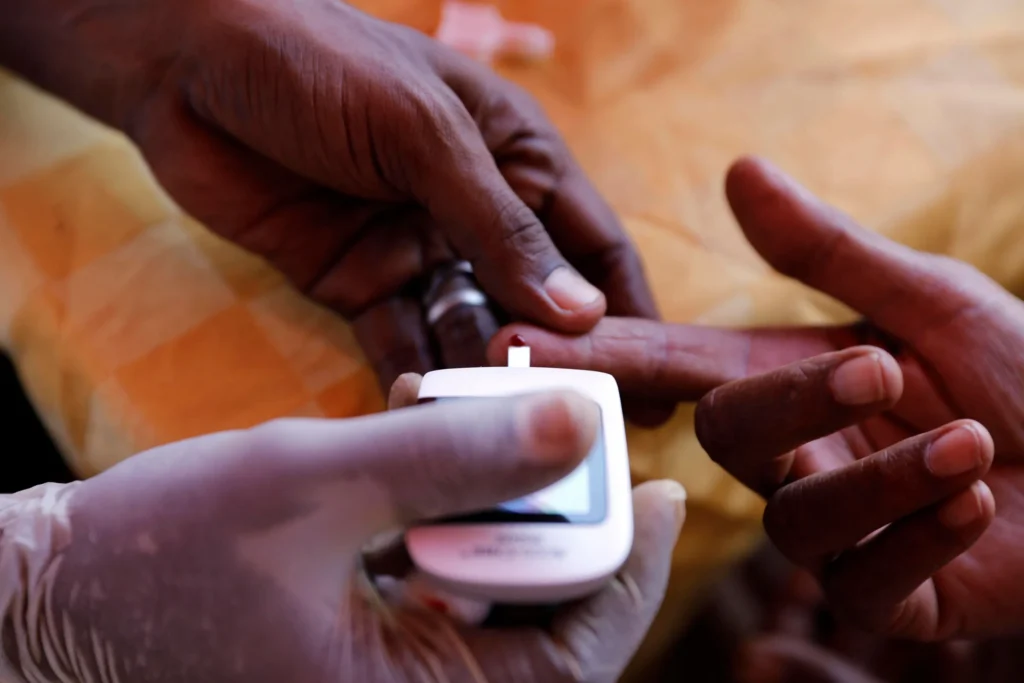
For decades, healthcare systems around the world have been built around treatment rather than prevention. We wait until illness appears before we act, often when damage has already been done. Preventive healthcare challenges this model by shifting the focus from reaction to protection, early detection, and long-term wellbeing. In today’s world, prevention is no longer optional—it is essential.
Understanding Preventive Healthcare
Preventive healthcare refers to medical practices and lifestyle choices aimed at preventing disease before it occurs. This includes routine health screenings, vaccinations, early diagnostics, nutrition, physical activity, mental health care, and lifestyle management. Rather than asking “How do we cure disease?”, preventive healthcare asks, “How do we stop disease from developing in the first place?”
This proactive approach reduces the burden on healthcare systems and empowers individuals to take ownership of their health.
Why Prevention Outperforms Treatment
Chronic diseases such as diabetes, cardiovascular disease, cancer, and hypertension account for the majority of global healthcare costs and premature deaths. Many of these conditions are preventable through early intervention and lifestyle modification.
Preventive care:
- Detects risks early, before symptoms appear
- Reduces long-term healthcare expenses
- Improves quality of life and longevity
- Enhances productivity and daily performance
In essence, prevention saves not only lives, but time, money, and emotional strain.
The Role of Lifestyle in Disease Prevention
Lifestyle is one of the most powerful preventive tools available. Balanced nutrition, regular physical activity, quality sleep, stress management, and avoiding harmful habits such as smoking or excessive alcohol consumption can significantly reduce disease risk.
Preventive healthcare recognizes that daily habits shape long-term outcomes. Small, consistent choices create a protective shield against illness.
A Future Built on Prevention
As healthcare systems evolve, prevention is becoming central to sustainable healthcare models. Digital health tools, wearable devices, and personalized health data now make it easier than ever to detect risks early and maintain long-term wellness.
Preventive healthcare is not just about living longer—it’s about living better. Investing in prevention today creates a healthier, more resilient future for individuals and societies alike.