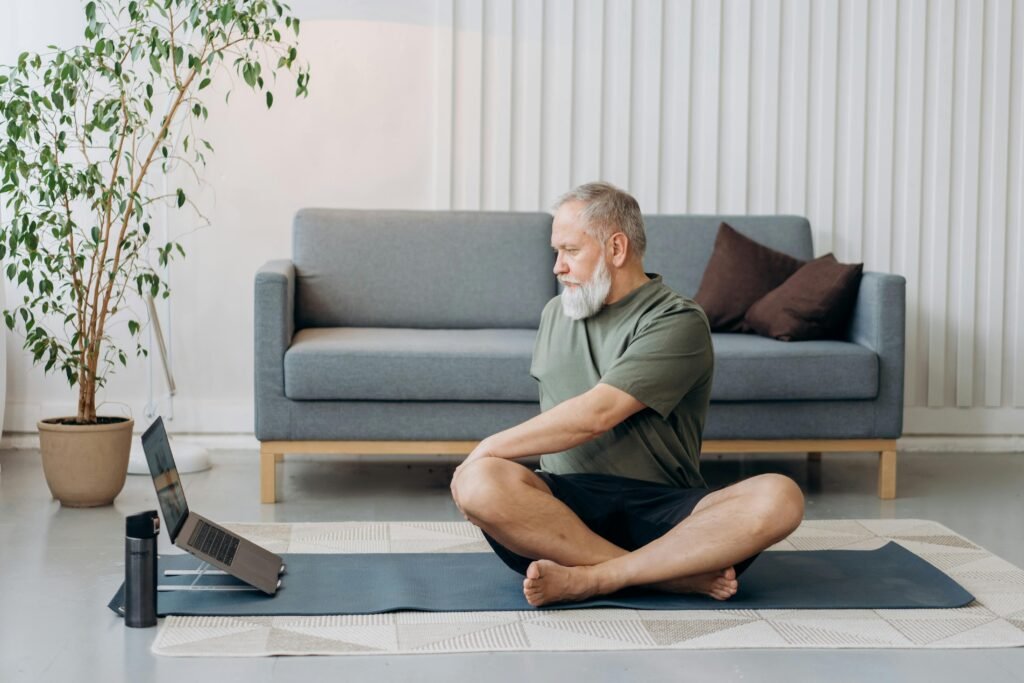
We live in the most connected era in human history—yet many people feel more distracted, overwhelmed, and emotionally depleted than ever before. Notifications never sleep, screens follow us everywhere, and the boundary between work and life has become increasingly blurred. In this digital reality, wellness is no longer just about diet, exercise, or sleep. It is about how we relate to technology and whether our digital lives are designed to serve our humanity—or consume it.
Digital wellness and human-centered living have emerged as a powerful response to this challenge. Together, they offer a framework for intentional living that restores focus, creativity, emotional balance, and meaningful connection in the digital age.
The Hidden Cost of Constant Connectivity
Technology has brought extraordinary convenience and opportunity, but it has also reshaped our mental and emotional landscapes. Excessive screen time has been linked to heightened stress, reduced attention span, sleep disruption, and emotional fatigue. The constant pull of emails, social media, and instant messaging keeps the nervous system in a near-permanent state of alert, making true rest increasingly rare.
Beyond mental health, digital overload quietly erodes productivity and relationships. Multitasking fragments attention, reducing the quality of our work, while endless scrolling replaces presence in conversations and shared moments. Over time, people begin to feel busy yet unfulfilled—connected yet disconnected.
This is not a failure of technology itself, but of unintentional digital living.
What Is Digital Wellness?
Digital wellness is the practice of creating a healthy, conscious relationship with technology. It does not require rejecting digital tools or withdrawing from modern life. Instead, it asks a deeper question: Is my use of technology aligned with my values, wellbeing, and purpose?
Human-centered digital wellness places people—not platforms—at the center. It prioritizes mental clarity over constant availability, depth over speed, and wellbeing over digital performance.
At its core, digital wellness is about regaining agency in how we consume, create, and connect.
Human-Centered Living in the Digital Age
Human-centered living recognizes that humans are not machines. We thrive on rhythm, rest, creativity, emotional connection, and meaning. When digital life ignores these needs, burnout becomes inevitable.
A human-centered approach designs daily routines that honor:
- Focused attention, rather than perpetual distraction
- Emotional presence, rather than reactive engagement
- Creative space, rather than constant consumption
- Restorative downtime, rather than endless stimulation
This approach reframes productivity—not as doing more, but as doing what matters with clarity and intention.
Practical Strategies for Healthy Digital Boundaries
Digital wellness is built through small, consistent choices. Some of the most effective strategies include:
Intentional Technology Use
Begin by auditing how and why you use digital tools. Identify which platforms add value and which drain energy. Use technology with purpose, not habit.
Digital Boundaries & Screen Rituals
Establish screen-free moments—especially in the morning and before sleep. Protect your focus by turning off non-essential notifications and setting clear work-life boundaries.
Single-Tasking Over Multitasking
Deep focus is a wellness practice. Engaging fully in one task at a time improves performance, reduces stress, and restores a sense of flow.
Mindful Consumption
Choose content that informs, inspires, or nourishes your mental state. Replace passive scrolling with intentional learning, creativity, or reflection.
Reclaiming Human Connection
Prioritize face-to-face interactions and device-free conversations. Presence is one of the most powerful forms of wellness in the digital age.
The Wellness Benefits of Digital Balance
When digital habits are aligned with human needs, the transformation is profound. People report:
- Improved mental clarity and emotional stability
- Enhanced creativity and problem-solving
- Deeper relationships and communication
- Better sleep and nervous system regulation
- A renewed sense of control and purpose
Digital wellness is not about less technology—it is about better living.
A New Definition of Modern Wellbeing
In a world designed to capture attention, choosing intentional digital living is an act of self-leadership. It is a declaration that wellbeing, presence, and humanity matter more than constant connectivity.
Digital wellness and human-centered living remind us that technology should amplify our lives—not dominate them. By creating thoughtful boundaries and human-first routines, we reclaim our focus, creativity, and emotional balance.
In the digital age, true wellness begins when we stop living at the speed of our devices—and start living at the pace of our humanity.