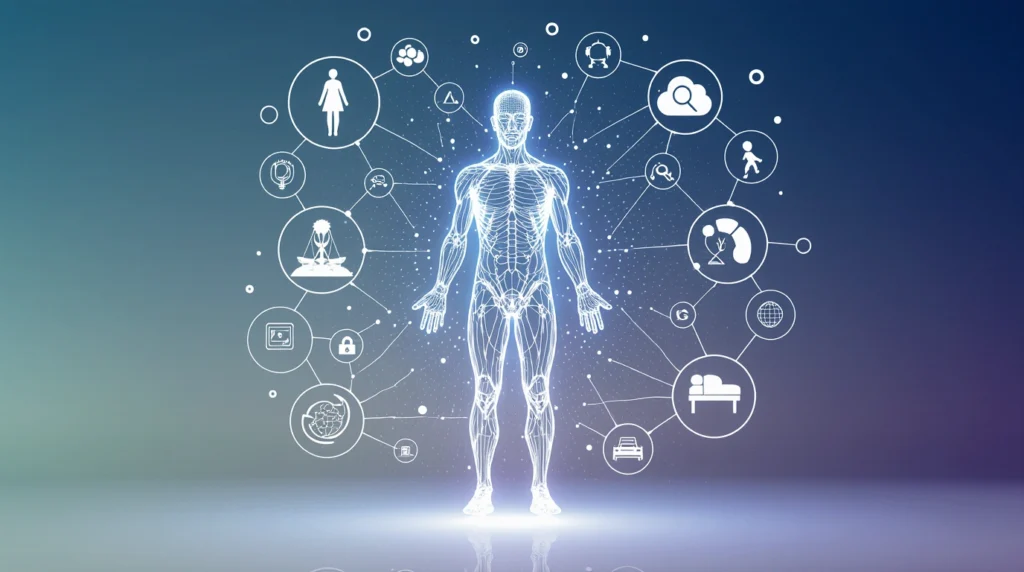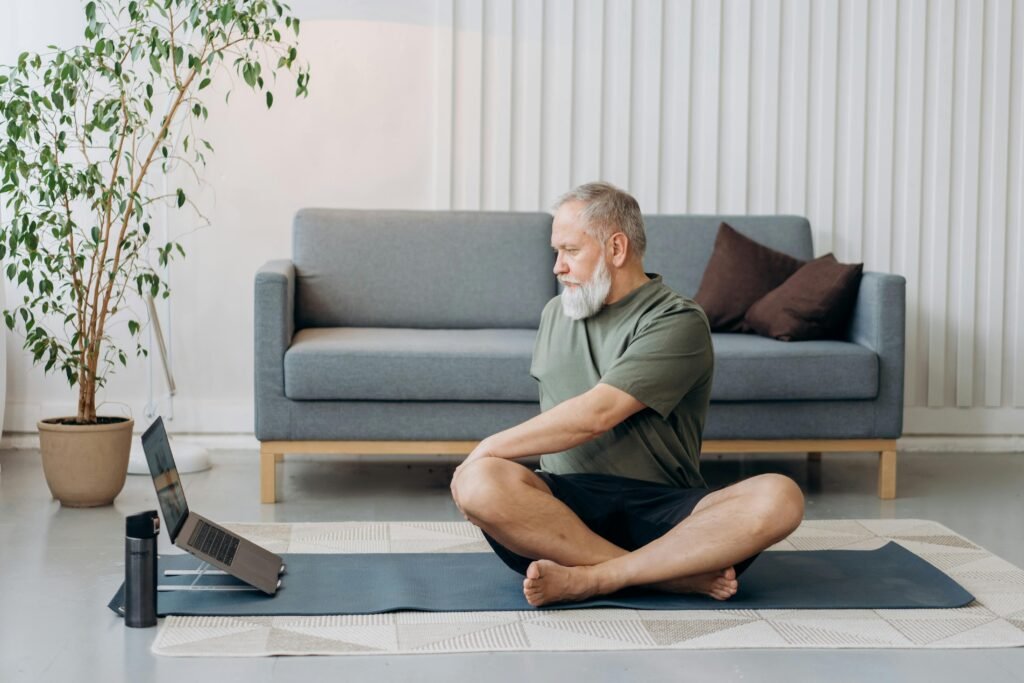
In 2026, the wellness industry is shifting in a profound way. While past trends focused on diets, workouts, or productivity hacks, today’s leading movement goes deeper — literally into the body’s nervous system. Instead of just reducing stress, wellness experts, scientists, and practitioners are now prioritizing nervous system regulation as a foundational element of health, resilience, and long-term wellbeing.
Why the Nervous System Matters
Your nervous system — especially the balance between the sympathetic (“fight or flight”) and parasympathetic (“rest and digest”) responses — governs how your body reacts to everything in life: stress, sleep, relationships, metabolism, immunity, and even emotional processing. In modern life, chronic stress has become the norm rather than the exception, meaning many people are living with persistent nervous system activation.
Experts now explain that chronic sympathetic activation isn’t just uncomfortable — it can alter hormone balance, immune function, mood states, digestion, and even how we age. Rather than masking stress symptoms, a nervous system–centered approach aims to normalize the body’s stress response for lasting calm and resilience.
From Stress Relief to Nervous System Regulation
In the past, wellness trends often focused on stress reduction — going for a massage, a short meditation, or a spa day. Today, the conversation has evolved to emphasize stress regulation. This means:
- Supporting the vagus nerve (a key pathway for calming the body)
- Improving vagal tone and emotional flexibility
- Enhancing parasympathetic activation (restful nervous system state)
- Reducing chronic sympathetic dominance (fight or flight mode)
This evolution reflects a deeper understanding: wellness isn’t just about feeling better in the moment — it’s about helping the body operate in a balanced, regulated way every day. This shift is why, in 2026, nervous system wellness is gaining traction across modalities — from digital health platforms to retreats, scientific journals, and the day-to-day practices of wellness seekers.
Trending Practices for Nervous System Health
Here are the key strategies that are dominating the wellness landscape:
🌿 Somatic Movement & Breathwork
Beyond basic breathing exercises, advanced breathwork techniques — such as coherent breathing and timed exhale protocols — are designed to influence heart rate variability and calm the nervous system at its root.
❄️ Cold & Heat Exposure
Alternating cold therapy (like cold plunges) with heat modalities (saunas or thermal contrast) isn’t just for athletes — these practices stimulate vagal activity and support overall regulation.
🧠 Nervous System–Focused Therapy
Practices like somatic psychotherapy, body-focused mindfulness, and trauma-informed approaches address stress at both the emotional and physiological level.
📲 Personalized Digital Tools
Wearables and apps are now offering real-time feedback on stress markers — such as heart rate variability and recovery scores — empowering people to tailor routines for their unique nervous system patterns.
The Broader Wellness Implications
This nervous system–first approach is influencing every branch of wellness:
- Sleep optimization becomes about calming circuitry, not just logging hours.
- Workplace wellbeing programs prioritize resilience and emotional safety, not superficial perks.
- Retreats and experiences are centered around nervous system reset, not luxury alone.
In essence, nervous system health is redefining what it means to be well. It’s no longer just about a balanced diet, exercise, or fleeting relaxation — it’s about helping the body’s core operating system function with poise, flexibility, and ease. That’s what makes this the hottest wellness trend of 2026.
Final Thought
In a world that constantly pulls us into overdrive, nervous system wellness offers a science-based path back to balance. It invites us to go beyond the symptoms of stress and cultivate a life where calm, resilience, and clarity are not luxuries — but foundations.