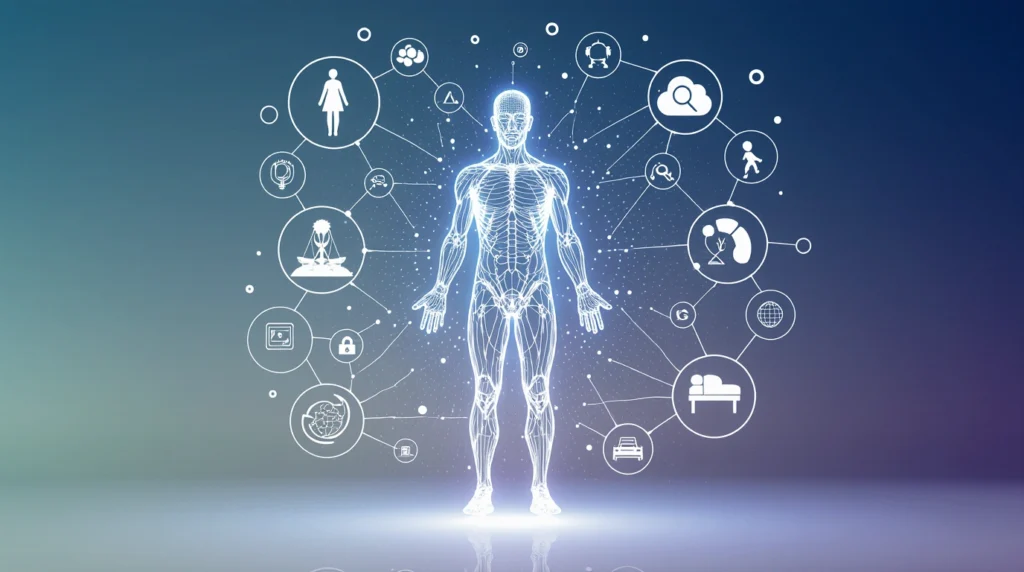
The wellness industry is undergoing a profound transformation. No longer confined to spas, supplements, or yoga studios, wellness today is a science-driven ecosystem powered by technology, data, and biofeedback. Termed Wellness Science, this emerging field leverages innovations in AI, wearable technology, genomics, and behavioral data to optimize health outcomes, enhance human performance, and redefine what it means to live well in the 21st century.
What is Wellness Science?
Wellness Science is the study and application of evidence-based interventions that support physical, mental, and emotional wellbeing. Unlike traditional wellness approaches, which rely heavily on anecdotal or lifestyle advice, Wellness Science integrates quantitative data, physiological monitoring, and predictive analytics to create personalized, measurable wellness plans.
It focuses on understanding the complex interactions between:
- Genetics: How individual DNA impacts metabolism, nutrient absorption, and stress response.
- Neurobiology: How the nervous system and brain chemistry influence mood, resilience, and cognitive function.
- Behavioral Patterns: How daily habits, routines, and lifestyle choices affect long-term health.
- Environmental Factors: How air quality, lighting, and exposure to nature or technology impact wellbeing.
By combining these domains, Wellness Science moves beyond one-size-fits-all wellness solutions, offering personalized, predictive, and proactive health strategies.
The Role of Technology in Wellness Science
Technology is the backbone of modern Wellness Science. From wearable devices to AI-powered platforms, tech is enabling humans to measure, understand, and optimize their wellbeing in ways previously unimaginable. Key technological drivers include:
1. Wearable Devices & Biofeedback
Fitness trackers, smartwatches, and biometric sensors monitor real-time metrics like heart rate variability (HRV), sleep quality, stress levels, blood oxygen saturation, and more. This data allows individuals and health professionals to track physiological responses to stress, exercise, and lifestyle interventions, enabling highly personalized wellness plans.
2. Artificial Intelligence & Predictive Analytics
AI algorithms can analyze massive datasets to uncover patterns in health, predict risk factors, and recommend actionable steps. For example, AI can identify subtle changes in sleep patterns or HRV that indicate early signs of stress, burnout, or immune dysfunction. These insights enable preemptive interventions rather than reactive care.
3. Genomics & Precision Nutrition
Through DNA testing and microbiome analysis, Wellness Science can now deliver precision nutrition—dietary recommendations tailored to an individual’s genetic makeup. This approach maximizes nutrient absorption, supports metabolic efficiency, and reduces the risk of chronic disease.
4. Virtual & Augmented Reality for Cognitive Wellness
VR and AR technologies are increasingly being used for mental health and cognitive training. Applications include guided meditation, neurofeedback, and immersive mindfulness exercises, which help regulate the nervous system and improve focus, resilience, and emotional balance.
5. Digital Health Platforms & Remote Monitoring
Telehealth and wellness platforms enable continuous monitoring of health metrics, offering virtual coaching, habit tracking, and AI-driven insights. This integration ensures that wellness recommendations are timely, personalized, and adaptable to changing lifestyles.
Applications of Wellness Science
Wellness Science is not limited to personal health—it is being applied across industries to optimize human performance, productivity, and organizational wellbeing:
Corporate Wellness
Businesses are leveraging wellness analytics to improve employee engagement, reduce burnout, and boost productivity. Programs now include AI-driven stress management platforms, wearable-based health monitoring, and personalized nutrition plans.
Sports & Performance Optimization
Professional athletes use Wellness Science to monitor training load, recovery, and mental resilience. Real-time biofeedback and AI modeling predict injury risk, optimize performance, and improve long-term career sustainability.
Preventive & Personalized Healthcare
By integrating lifestyle data, genetics, and behavioral patterns, healthcare providers can predict chronic disease risk and implement personalized prevention strategies, reducing healthcare costs and improving outcomes.
Mental Health & Cognitive Performance
Digital wellness platforms use neurofeedback, biofeedback, and mindfulness technology to enhance focus, creativity, and emotional resilience, demonstrating measurable improvements in cognitive function and mood.
Challenges and Future Directions
While Wellness Science offers enormous promise, there are challenges:
- Data Privacy & Security: Sensitive health data must be protected against misuse and breaches.
- Accessibility: Advanced wellness technologies can be expensive, limiting access to affluent populations.
- Evidence Integration: Translating complex biological data into actionable wellness interventions requires rigorous validation and scientific oversight.
The future of Wellness Science lies in integrated ecosystems, where AI, wearable tech, genomics, and behavioral science converge to deliver holistic, personalized, and scalable wellbeing solutions. In the next decade, it is expected that wellness apps, corporate platforms, and healthcare providers will increasingly rely on predictive analytics and real-time monitoring, making wellness not just a lifestyle choice, but a science-driven strategy for optimal human performance.
Wellness Science represents the intersection of biology, technology, and intentional living. It empowers individuals with data-driven insights to take control of their health, supports organizations in fostering productive, resilient teams, and redefines wellness as a proactive, measurable, and personalized practice.
In an era of constant connectivity, environmental stressors, and increasing health complexity, Wellness Science is not just a trend—it is the future of how humans understand, measure, and optimize wellbeing.